
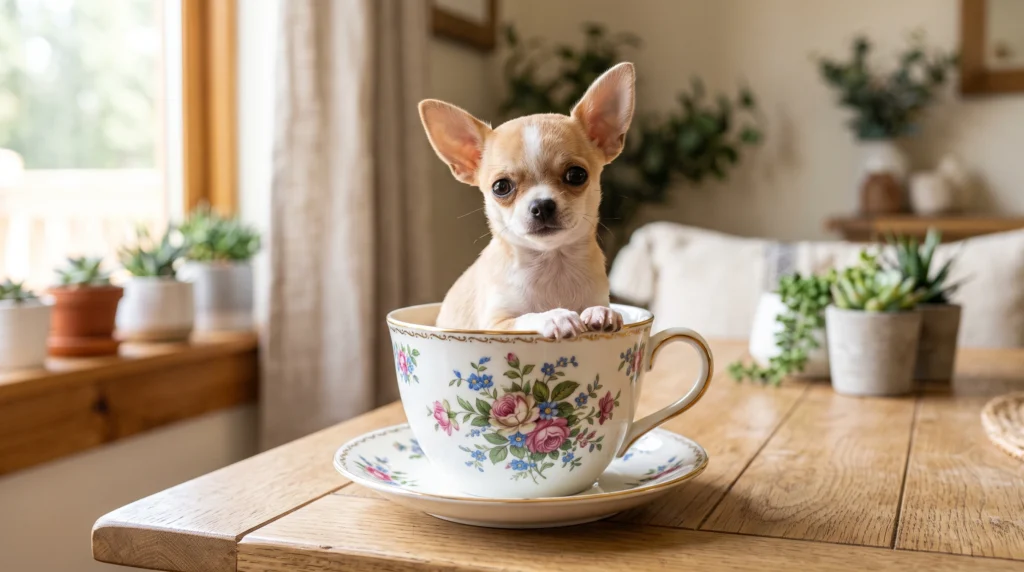
A Chihuahua small enough to sit in a teacup sounds irresistible, and the ads make it look like a rare, special kind of dog. If your family is thinking about a Chihuahua teacup dog, you probably have two big questions: is it real, and is it a safe choice for us?
Here’s the straight answer. “Teacup” isn’t a breed. It’s a label for small Chihuahuas, and the breed’s own national club calls it misleading. That doesn’t mean a small Chihuahua can’t be a wonderful pet. It means you deserve to know what you’re actually getting.
This guide covers how big these dogs really get and the health risks that matter most for tiny dogs. It also covers daily care, whether one fits your family, and how to find a healthy puppy without being misled or scammed.
What Is a Teacup Chihuahua?
A teacup Chihuahua is a Chihuahua that’s smaller than average. It isn’t a separate breed or an official size category.
The breed’s national club, the Chihuahua Club of America (CCA), is the AKC’s parent club for Chihuahuas. Its official teacup statement says the breed standard doesn’t divide Chihuahuas by size at all. The club calls labels like “teacup,” “pocket size,” “tiny toy,” and “miniature” incorrect and misleading.
The only official difference within the breed is coat type: Long Coat or Smooth Coat. When a litter includes an unusually small puppy, the CCA says that puppy is simply a small Chihuahua, not something rare or exceptional.
What the AKC Says About Chihuahua Teacup Dog Size
A two or three pound adult may simply be a very small Chihuahua. What matters more is how the dog was bred and whether the parents were selected based on health rather than the lowest possible weight.
The AKC breed standard describes a well-balanced little dog “not to exceed 6 pounds.” Any Chihuahua over 6 pounds is disqualified from the show ring.
That’s a maximum, not a range. You’ll often see the standard quoted as “2 to 6 pounds,” but the standard doesn’t set a minimum weight. And it doesn’t create a smaller, more valuable tier.
The standard also describes a rounded “apple dome” skull, “with or without molera” (a soft spot on top of the head, covered below). It allows any color.
Chihuahua Teacup Dog, Micro, Mini, and Pocket Labels
| Term | Official? | What it really means |
|---|---|---|
| Chihuahua (Long Coat or Smooth Coat) | Yes | The breed and its two coat varieties |
| Toy Group | Yes | The AKC group every Chihuahua belongs to, whatever its size |
| Teacup, micro, mini, pocket, tiny toy | No | Seller labels for smaller-than-average dogs |
| “Standard” (used as a size) | No | Chihuahuas have no official standard-size category to compare against |
How Big Does a Chihuahua Teacup Dog Get?
There’s no set answer, because “teacup” has no official size. According to PetMD, Chihuahuas generally top out around 6 pounds and stand about 5 to 8 inches tall. Individual dogs vary, just as brothers and sisters do.
Here’s the important part: no one can guarantee how big a puppy will be as an adult. A seller who promises your puppy will “stay under 3 pounds” is promising something they can’t control.
What actually helps:
- Be wary of size promises. Treat any guarantee as a red flag, not a selling point.
- Ask for both parents’ adult weights. It’s the best clue you’ll get, though it’s still not a guarantee.
- Consider an adult dog. If very small size really matters to your family, an adult’s size is already known.
Teacup Chihuahua Quick Facts
| Fact | Detail |
|---|---|
| Breed | Chihuahua (“teacup” is a marketing label) |
| AKC group | Toy |
| Weight | Breed standard: not over 6 lb, with no minimum |
| Height | About 5–8 inches |
| Coats | Smooth Coat or Long Coat |
| Lifespan | About 14–17 years for the breed, depending on the source; no reliable data specific to “teacup” dogs |
| Temperament | Alert, confident, “terrier-like” |
| Key health concerns | Low blood sugar in puppies, kneecap problems, dental disease, tracheal collapse, heart disease |
Chihuahua Teacup Dog Personality and Temperament
A small body doesn’t mean a small personality. The AKC standard describes the Chihuahua as alert, with “terrier-like” confidence and self-reliance. Size labels don’t change that.
Chihuahuas tend to bond closely with their people and love being near them. Many are wary of strangers, and PetMD notes they can be feisty and bark at unfamiliar people and dogs.
Early, gentle socialization makes a real difference. Introduce your puppy to calm visitors, new sounds, and new places in short, positive sessions, so the world feels less scary.
Are Teacup Chihuahuas Good With Kids?
Usually not with toddlers or very young children. With older, gentle kids and plenty of supervision, they can do well.
The AKC is even more cautious. Its breed guide says Chihuahuas aren’t recommended for homes with children, because they’re too small for roughhousing and overly excited kids could be dangerous for them. Take that seriously before you decide.
The reasons are practical. A very small dog can be badly hurt if it’s dropped, stepped on, or squeezed, even by a loving child. A frightened little dog may also nip to protect itself.
If you have children and decide to go ahead, set clear house rules:
- The dog always has a quiet place to retreat to.
- Kids sit on the floor to hold the dog, so a wriggle doesn’t turn into a fall.
- Young children don’t carry the dog.
- An adult supervises every interaction.
Can Teacup Chihuahuas Live With Other Pets?
Small Chihuahuas can live happily with other pets, but size differences matter. Even a friendly large dog can injure a tiny one during play.
Introduce new pets slowly, supervise play, and separate them when you’re not home. Many Chihuahuas get along better with calm, similar sized companions.
Teacup Chihuahua Barking, Training, and House Training
Chihuahuas are often vocal, so expect some barking at noises and visitors. Consistent, reward-based training helps, and short sessions work best.
House-training can take patience. Small dogs have small bladders, so puppies need frequent chances to go. Some families use an indoor potty area alongside outdoor trips, which is a perfectly reasonable choice.
Chihuahua Teacup Dog Health Problems
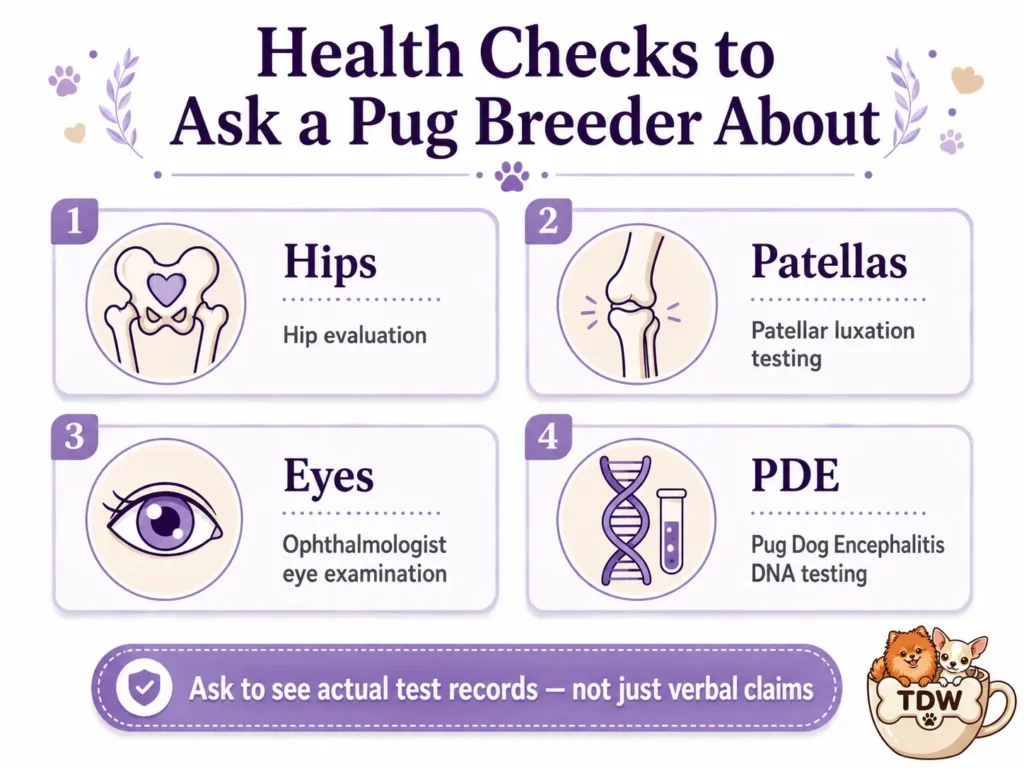
These are health risks for the Chihuahua breed as a whole. A few of them, like low blood sugar and injuries, matter more as dogs get smaller.
The CCA’s position is balanced: very small puppies can be perfectly healthy, but they may need extra care. The goal here is to help you know what to watch for, not to scare you.
Low Blood Sugar (Hypoglycemia)
Hypoglycemia means blood sugar drops too low. It’s a particular risk for very young toy-breed puppies. Purina’s resource on toy-breed hypoglycemia lists stress and cold among the triggers.
Watch for weakness, trembling, wobbliness, unusual sleepiness, or seizures. Veterinary Partner’s guide explains that a listless toy puppy may need food right away and a call to the vet.
Ask your vet for a feeding plan the day you bring your puppy home. Don’t guess.
Kneecap Problems (Patellar Luxation)
Patellar luxation means the kneecap can slip out of its normal position. The classic sign is a dog who suddenly “skips” for a few steps, holding up a back leg, then carries on normally.
The American College of Veterinary Surgeons says patellar luxation is diagnosed in about 7% of puppies. It mainly affects small breeds, including Chihuahuas. Mild cases may only need monitoring, while severe cases can need surgery.
Collapsing Trachea
In tracheal collapse, the windpipe weakens and flattens, which makes breathing harder. ACVS lists Chihuahuas among the small breeds commonly affected.
Signs include a honking cough and coughing when the dog is picked up or when someone pulls on its collar. Avoid pressure on the neck, and ask your vet whether a harness makes more sense than a collar for your dog.
Heart Disease
The CCA’s health statement notes that degenerative mitral valve disease is common in many older small dogs. It’s a condition in which a heart valve wears and leaks.
That’s why responsible breeders have their dogs’ hearts checked. It’s also why routine vet visits matter: a vet can often pick up a heart murmur early with a stethoscope.
Dental Disease and Retained Baby Teeth
Tiny mouths mean crowded teeth, and crowded teeth trap food and plaque. The American Animal Hospital Association names Chihuahuas among the toy breeds at highest risk of early gum disease. Vets call it periodontal disease.
AAHA recommends that small-breed dogs have their first full dental evaluation under anesthesia by around one year old. Daily tooth brushing with dog toothpaste helps a lot between visits.
Sometimes a baby tooth stays put after the adult tooth grows in. VCA Animal Hospitals notes these retained baby teeth are more common in small breeds and can speed up gum disease. If you see two teeth in one spot, ask your vet.
The Soft Spot (Molera) and Hydrocephalus
A molera is a soft spot on top of the skull where the bones haven’t fully joined, similar to the soft spot on a human baby’s head. The AKC standard allows it.
That distinction matters, because a different condition does affect the breed. Hydrocephalus means fluid builds up in the brain. VCA lists Chihuahuas among the toy breeds more likely to be affected. In young puppies, a large soft spot combined with neurological signs can point to it.
So a soft spot alone isn’t cause for panic, but some signs deserve a prompt vet visit:
- A soft spot that seems very large or is growing
- A strongly dome-shaped head
- Circling, falling over, or an unusual walk
- Unusual sleepiness, confusion, or trouble learning
- Seizures
Either way, handle your puppy’s head gently.
Injuries From Falls and Rough Handling
For a dog this small, everyday hazards are real. A jump off the couch, a slip from someone’s arms, or a misplaced foot can mean a serious injury. Most of these accidents are preventable with a few habits, covered in the home-safety section below.
How Long Do Teacup Chihuahuas Live?
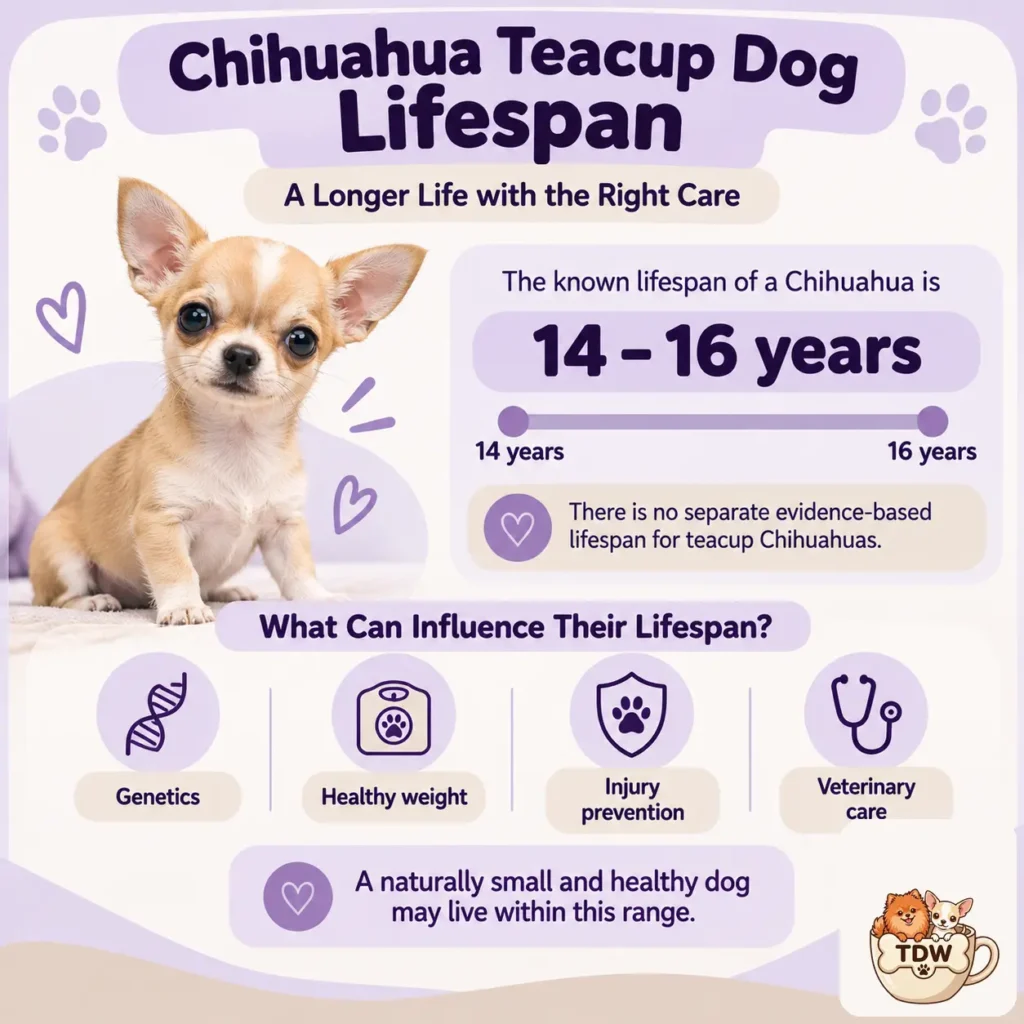
Chihuahuas are a long lived breed, though sources give slightly different ranges. PetMD puts their average lifespan at about 14 to 16 years, while the AKC lists 14 to 16 years. The CCA says many live into their mid to late teens.
There’s no reliable data showing whether dogs sold as “teacups” live shorter or longer lives. What matters most is how the dog was bred and how it’s cared for, not the label.
Chihuahua Teacup Dog Care Guide
Day to day care is similar to any Chihuahua’s. A few habits simply matter more when the dog is tiny.
Feeding and Meal Timing
Young toy puppies need regular, frequent meals, and they shouldn’t go long without eating. Your vet can set a schedule and portion sizes based on your puppy’s age and weight.
Weigh your dog regularly, too. Underfeeding is a risk for tiny puppies, but adult Chihuahuas can easily become overweight, and a pound of extra weight makes a big difference on a small frame.
Exercise and Safe Play
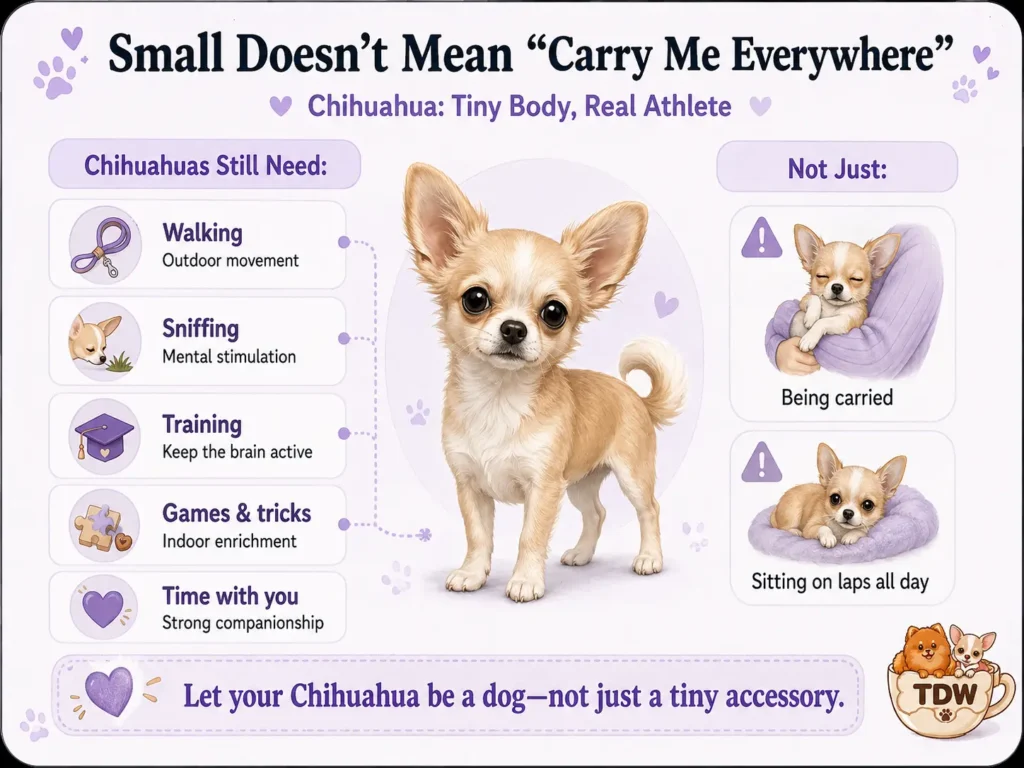
Chihuahuas enjoy short walks and indoor play. Keep play gentle, skip rough games with large dogs, and use a harness if your vet agrees it’s better for your dog’s neck.
Cold weather hits tiny dogs fast. A sweater and shorter outings help on chilly days.
Grooming Basics
Grooming is fairly simple. Smooth Coats need only occasional brushing, while Long Coats need brushing a little more often to prevent tangles. Every Chihuahua needs regular nail trims and tooth brushing. When you bathe a tiny dog, use a warm room and dry them thoroughly so they don’t get chilled.
Making Your Home Safe for a Tiny Dog
- Use a secure carrier for car trips and vet visits.
- Add steps or ramps to the couch and bed, and discourage jumping down.
- Watch your feet and doors. Get into the habit of checking where the dog is before you move.
- Block small gaps, balcony railings, and spaces a tiny dog could squeeze through.
- Give them a warm bed away from drafts.
- Microchip and ID-tag your dog, since a small dog can slip out unnoticed.
Is a Chihuahua Teacup Dog Right for Your Family?
A very small Chihuahua can be a loving companion in the right home. But it isn’t the right fit for every family, at least not right now.
| Likely a good fit | Probably not the right time |
|---|---|
| Adults or older, gentle children | Toddlers or very young children |
| Someone home much of the day | Long workdays with no one to check in |
| Willing to follow a vet’s feeding plan | Unable to keep a regular meal schedule for a young puppy |
| A calm household | Large, boisterous dogs at home |
| A budget for vet care, including dental | No room for unexpected vet bills |
If your family lands mostly on the left side, a small Chihuahua may suit you well. The healthiest choice is usually a well-bred small Chihuahua, not the smallest puppy you can find.
How to Find a Healthy Chihuahua Teacup Dog
Where your puppy comes from shapes its health more than anything else. Here’s how to protect your family and your future dog.
Questions to Ask a Breeder
Questions to Ask a Breeder
A good breeder will welcome these questions:
- Have both parents been health-tested? For Chihuahuas, the CCA’s recommended screening covers the heart, eyes, and kneecaps. Ask to see the actual results.
- Do the parents have CHIC numbers? The OFA’s CHIC program records whether a dog completed its breed’s recommended tests and makes the results public. A CHIC number shows the tests were done, not that every result was normal, so read the results themselves. Ask for both parents’ registered names so you can look them up in the OFA database rather than taking the breeder’s word for it.
- Is “vet checked” all you can show us? A puppy’s vet exam is useful, but it isn’t the same as health screening the parents before breeding.
- Can we meet the mother, in person or by video?
- What are the parents’ adult weights?
- Will you guarantee my puppy’s adult size? An honest breeder will say no.
- Do you provide a written contract and a health guarantee?
- Will you take the dog back if we can’t keep it?
- Why do you call your puppies “teacup”? The breed club discourages the term. How a breeder answers tells you a lot.
Should You Pay Extra for a “Teacup” Chihuahua?
The CCA says terms like “teacup” may be used to make buyers think a puppy is worth more money, and the club is clear that it isn’t. PetMD goes further and advises against working with any breeder who claims to sell teacup Chihuahuas.
In other words, the word “teacup” on a listing adds nothing to the dog. You’re paying for health, temperament, and a responsible breeder, or you should be.
How to Avoid Teacup Chihuahua Puppy Scams
Puppy scams are common, and cute tiny-dog photos are a favorite bait. According to AKC’s summary of BBB data, the Better Business Bureau received nearly 10,000 complaints about puppy sellers over three years. The FTC estimates only about 10% of victims report these crimes.
The FTC’s advice on pet scams points to clear warning signs:
- Pressure to pay fast before “someone else takes the puppy.”
- Unusual payment demands. No legitimate seller requires payment by gift card, wire transfer, or cryptocurrency. Payment apps can also make it hard to get your money back.
- No visits. The seller won’t meet in person, talk on the phone, or do a video call.
- Borrowed photos. Do a reverse image search to see whether the puppy pictures appear elsewhere.
- Surprise fees. The FTC notes that scammers often come back asking for more money for shipping, crates, or insurance.
- Prices that seem too good to be true. The FTC warns that scam ads may offer purebred puppies for a few hundred dollars when they often cost thousands.
Teacup Chihuahua Adoption and Rescue
Small Chihuahuas do turn up in shelters and breed rescues. Adopting an adult has real advantages for families: you already know the dog’s size and temperament.Ask local shelters and Chihuahua rescue groups to let you know when a small, kid-tolerant dog becomes available.
Chihuahua Teacup Dog FAQs
Why Do Teacup Chihuahuas Shake?
Often it’s simply cold or excitement. But PetMD notes that low blood sugar and hydrocephalus can also cause shaking. If trembling comes with weakness or unusual behavior, call your vet.
What’s the difference between an “apple head” and a “deer head” Chihuahua?
The AKC standard describes a rounded “apple dome” skull. “Deer head” is an informal name for Chihuahuas with a longer muzzle and flatter head. They’re still Chihuahuas, but they don’t match the standard’s head description.
Can a Teacup Chihuahua Be Shown at AKC Events?
Size labels don’t matter in the show ring. Any AKC-registered Chihuahua can be judged against the standard, as long as it doesn’t exceed 6 pounds.
Chihuahua Teacup Dog: The Bottom Line
Buying a Chihuahua teacup dog really means buying a small Chihuahua. The breed’s own club rejects the “teacup” label, and no one can promise how small a puppy will stay.
What you can control is choosing wisely. Look for health-tested parents, an honest breeder who doesn’t make size promises, and a plan for tiny-dog care, especially regular meals and safe handling.
If you’re ready to start looking, take the breeder checklist above with you. Talk to your vet before you bring your new dog home.

The TeacupDogWorld Editorial Team researches and creates practical guides about small and teacup-sized dogs, including breed characteristics, grooming, nutrition, health, training, and everyday care. Our content is developed using reputable veterinary, breed-club, and animal welfare sources to help dog owners make better-informed decisions.